Where Reflex AI Operates

Critical welds and castings must be inspected for internal defects without cutting them open — but manual UT scanning is slow and operator-dependent.

Human visual inspectors miss a significant proportion of defects on high-speed lines and create bottlenecks when line speed exceeds what eyes can track reliably.
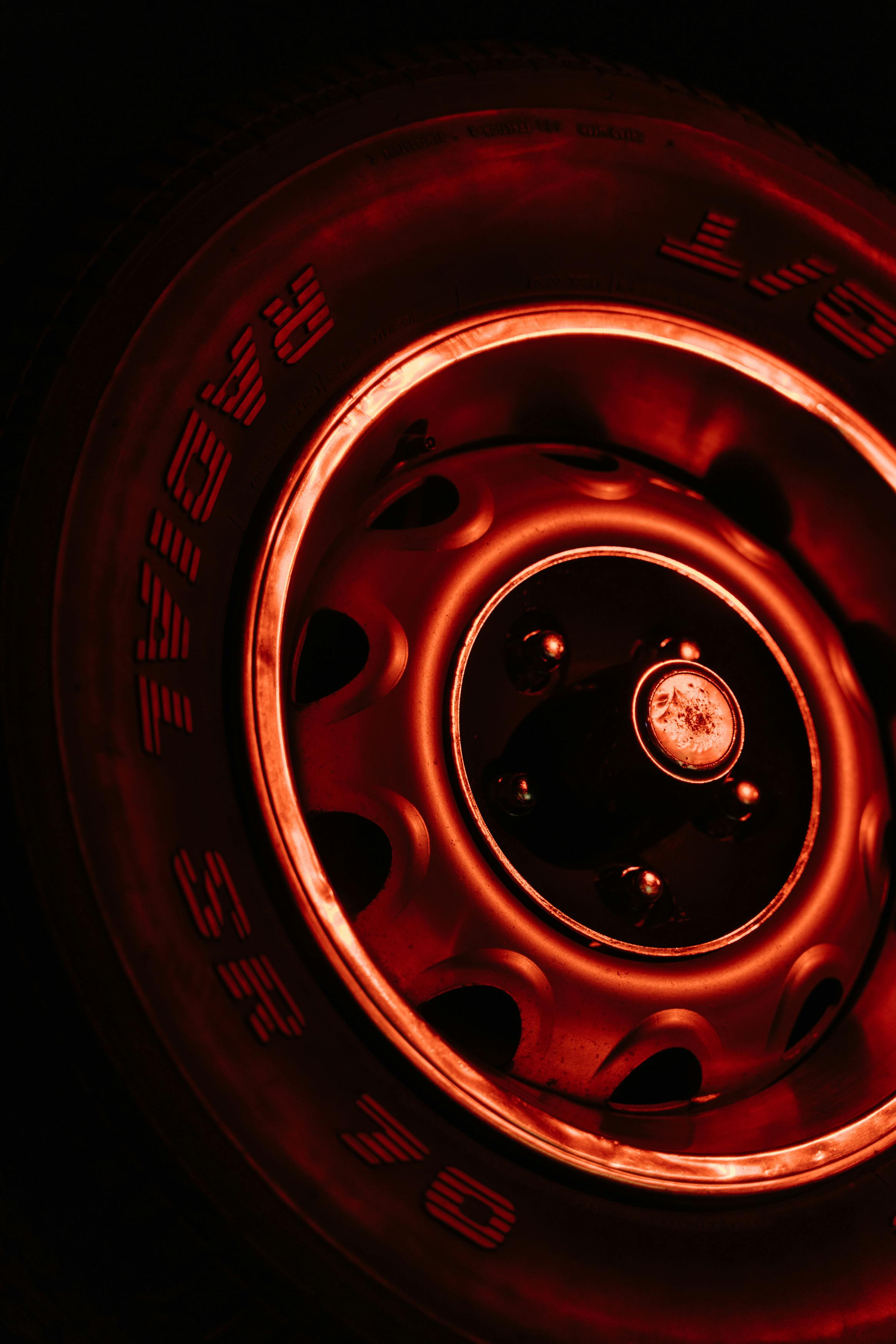
Tyre geometry variations too small to see visually affect vehicle handling and safety — but inline gauging systems either slow the line or lack the resolution to catch fine deviations consistently.

Impact events last milliseconds — conventional cameras miss deformation stages entirely, forcing engineers to repeat costly destructive tests to reconstruct what happened.

Strain gauges provide only single-point data — engineers miss peak strain locations on complex geometries and build safety factors around incomplete information.
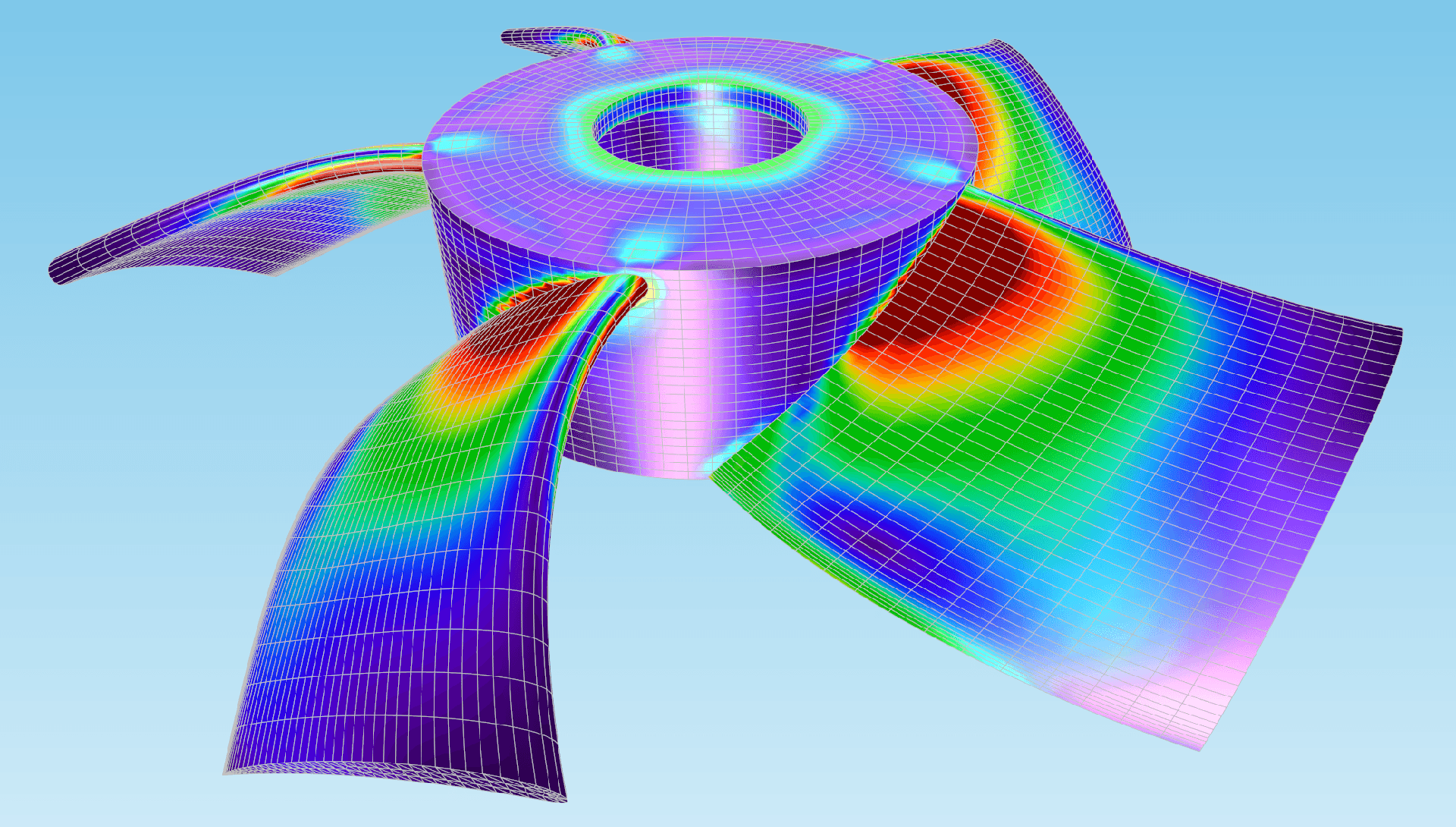
Simulation models predict deformation but physical validation requires full-field 3D data that traditional measurement rigs cannot capture on complex curved surfaces.

Manual counting and tracking of assets across large facilities — vehicles, containers, personnel — introduces errors and delays that cascade into scheduling and compliance failures.

Scheduled maintenance replaces parts that are still healthy and misses failures that develop between service intervals — both outcomes waste budget or cause unplanned stoppages.